
Many foreigners are surprised to notice that Koreans rarely say “thank you” to their family members.
This does not mean Koreans are ungrateful.
Instead, gratitude is often expressed in different ways.
Is saying “thank you” unnecessary in Korean families?
In Korean culture, family relationships are considered permanent and unconditional.
Because of this, verbal expressions like “thank you” may feel unnecessary or awkward.
Actions often matter more than words.
How gratitude is shown instead
Koreans usually express appreciation through actions such as:
- Cooking meals
- Asking about health
- Financial support
- Doing favors without being asked
These actions communicate care more strongly than words.
Generational differences
Younger Koreans are becoming more comfortable saying “thank you” to family members.
However, older generations may still prefer indirect expressions of gratitude.
Both styles reflect love and respect in different ways.
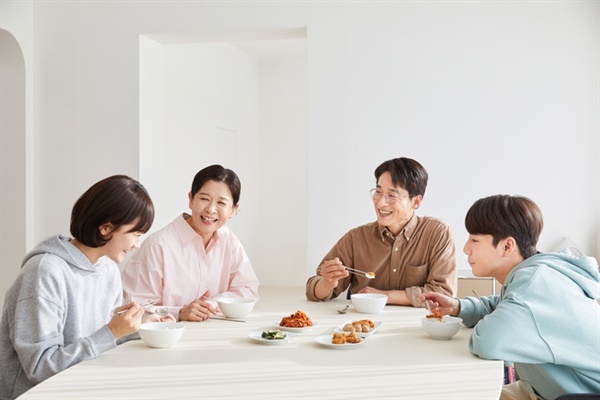
Understanding Korean family culture
Not hearing “thank you” does not mean a lack of appreciation.
It simply reflects a cultural preference for action-based communication.
Understanding this helps foreigners avoid misunderstandings in Korean families.
Related articles
Leave a Reply