Category: Korean Daily Life

  • Why Koreans Rarely Say “Thank You” to Family

    Why Koreans Rarely Say “Thank You” to Family

    Many foreigners are surprised to notice that Koreans rarely say “thank you” to their family members.
    This does not mean Koreans are ungrateful.
    Instead, gratitude is often expressed in different ways.

    Is saying “thank you” unnecessary in Korean families?

    In Korean culture, family relationships are considered permanent and unconditional.
    Because of this, verbal expressions like “thank you” may feel unnecessary or awkward.

    Actions often matter more than words.

    How gratitude is shown instead

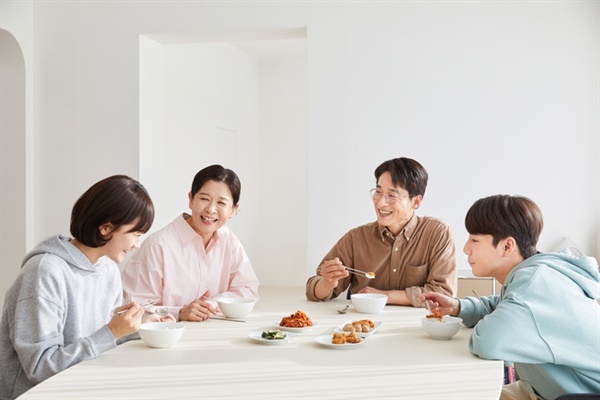
    Koreans usually express appreciation through actions such as:

    • Cooking meals
    • Asking about health
    • Financial support
    • Doing favors without being asked

    These actions communicate care more strongly than words.

    Generational differences

    Younger Koreans are becoming more comfortable saying “thank you” to family members.
    However, older generations may still prefer indirect expressions of gratitude.

    Both styles reflect love and respect in different ways.
    Understanding Korean family culture

    Not hearing “thank you” does not mean a lack of appreciation.
    It simply reflects a cultural preference for action-based communication.

    Understanding this helps foreigners avoid misunderstandings in Korean families.

    Related articles
    Why Koreans Don’t Say “No” Directly

    Why Koreans Avoid Eye Contact

  • Why Koreans Avoid Eye Contact

    Why Koreans Avoid Eye Contact

    Many foreigners notice that Koreans often avoid direct eye contact, especially in public places.
    This behavior can feel confusing or even rude to people from Western cultures.
    However, in Korea, avoiding eye contact usually has a very different meaning.

    Is avoiding eye contact rude in Korea?

    In most cases, avoiding eye contact in Korea is not considered rude.
    Instead, it often shows politeness, respect, or modesty.

    Direct eye contact can sometimes feel too strong or aggressive, especially between strangers or people of different social status.

    When Koreans avoid eye contact

    Koreans commonly avoid eye contact in these situations:

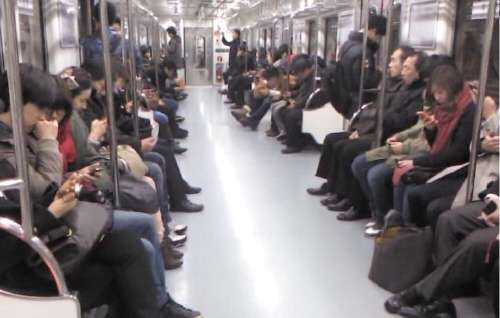
    • On public transportation
    • While walking on the street
    • When talking to strangers
    • When speaking to elders or seniors

    Looking down or away helps maintain personal boundaries and social harmony.

    When eye contact is expected

    There are also situations where eye contact is important:

    • Business meetings
    • Job interviews
    • Presentations
    • Conversations with close friends

    In professional settings, eye contact shows confidence and sincerity.

    Understanding the cultural difference

    Avoiding eye contact does not mean disinterest or dishonesty.
    It is simply a cultural habit shaped by values such as respect and harmony.

    Once foreigners understand this, communication in Korea becomes much more comfortable.

    Related articles

    Why Koreans Don’t Tip

    Why Koreans Don’t Use First Names

  • Why Koreans Don’t Say “No” Directly

    Why Koreans Don’t Say “No” Directly

    Many foreigners feel confused when talking with Koreans because clear “yes” or “no” answers are often avoided.

    In this article, we explain why Koreans don’t say “no” directly, how indirect communication works in Korean culture, and what foreigners should understand.

    Do Koreans avoid saying “no”?

    In many situations, Koreans try to avoid saying “no” directly, especially in social or work-related conversations. Instead of refusing clearly, they often use indirect expressions.

    This does not mean Koreans are dishonest. It is a communication style developed to maintain harmony and avoid uncomfortable situations.

    Why don’t Koreans say “no” directly?

    Korean culture places a strong emphasis on relationships, group harmony, and respect. Saying “no” directly can be seen as rude, confrontational, or embarrassing for the other person.

    Because of this, Koreans prefer softer expressions that reduce tension and help both sides save face. This approach is deeply connected to Confucian values and hierarchical relationships.

    Common indirect expressions in Korea

    Instead of saying “no,” Koreans may use phrases like:

    • “I’ll think about it.”
    • “That might be difficult.”
    • “Let me check first.”
    • “Maybe next time.”

    To foreigners, these phrases may sound positive or undecided. However, in many cases, they politely mean “no.”

    How should foreigners interpret this?

    Foreigners should understand that indirect answers are often a sign of politeness, not uncertainty. If a Korean avoids giving a clear answer, it usually means they do not want to refuse openly.

    When communicating with Koreans, it is helpful to listen to context, tone, and repeated delays. Over time, recognizing these patterns becomes easier.

    Should foreigners communicate the same way?

    Foreigners are not expected to fully adopt indirect communication, but being more flexible helps. Speaking politely and avoiding strong confrontation is usually appreciated.

    Understanding this cultural difference can prevent misunderstandings and improve relationships in Korea.

  • Why Koreans Don’t Use First Names

    Why Koreans Don’t Use First Names

    Many foreigners are confused when Koreans avoid using first names, even among friends or coworkers.

    In this article, we explain how names and titles work in Korean culture and what foreigners should understand.

    Decode Korea explains Korean culture in simple terms for foreigners.

    This blog helps visitors understand daily life, customs, and social norms in Korea.

    If you have questions or suggestions, please contact us at:
    error0824@gmail.com

  • Why Koreans Don’t Tip

    Why Koreans Don’t Tip

    Many foreigners are surprised when they visit Korea and realize that tipping is not common.

    In this article, we explain why Koreans don’t tip, how service culture works in Korea, and what visitors should know.

    Is tipping common in Korea?

    In Korea, tipping is generally not expected in restaurants, cafes, taxis, or hotels. Service charges are usually included in the price.

    Why don’t Koreans tip?

    Korean service culture is based on fixed wages rather than tips. Providing good service is considered part of the job, not something that requires extra payment.

    Should foreigners tip in Korea?

    Foreign visitors do not need to tip in Korea. In some situations, tipping may even cause confusion or discomfort.